How to Choose the Right Elevator Cabin Material
The cabin interior is what your passengers touch and see every single day. Pick the wrong material and you are left with either a space that looks cheap, or one that deteriorates within two years. Here is how we help clients choose between stainless steel, wood veneer, glass and leather for real projects.
There is no single "best" material. The right choice depends on four things: the type of building, the expected traffic level, the maintenance budget, and the design style the architect wants. Below we break down the four materials we work with most often.
1. Stainless steel — the default workhorse
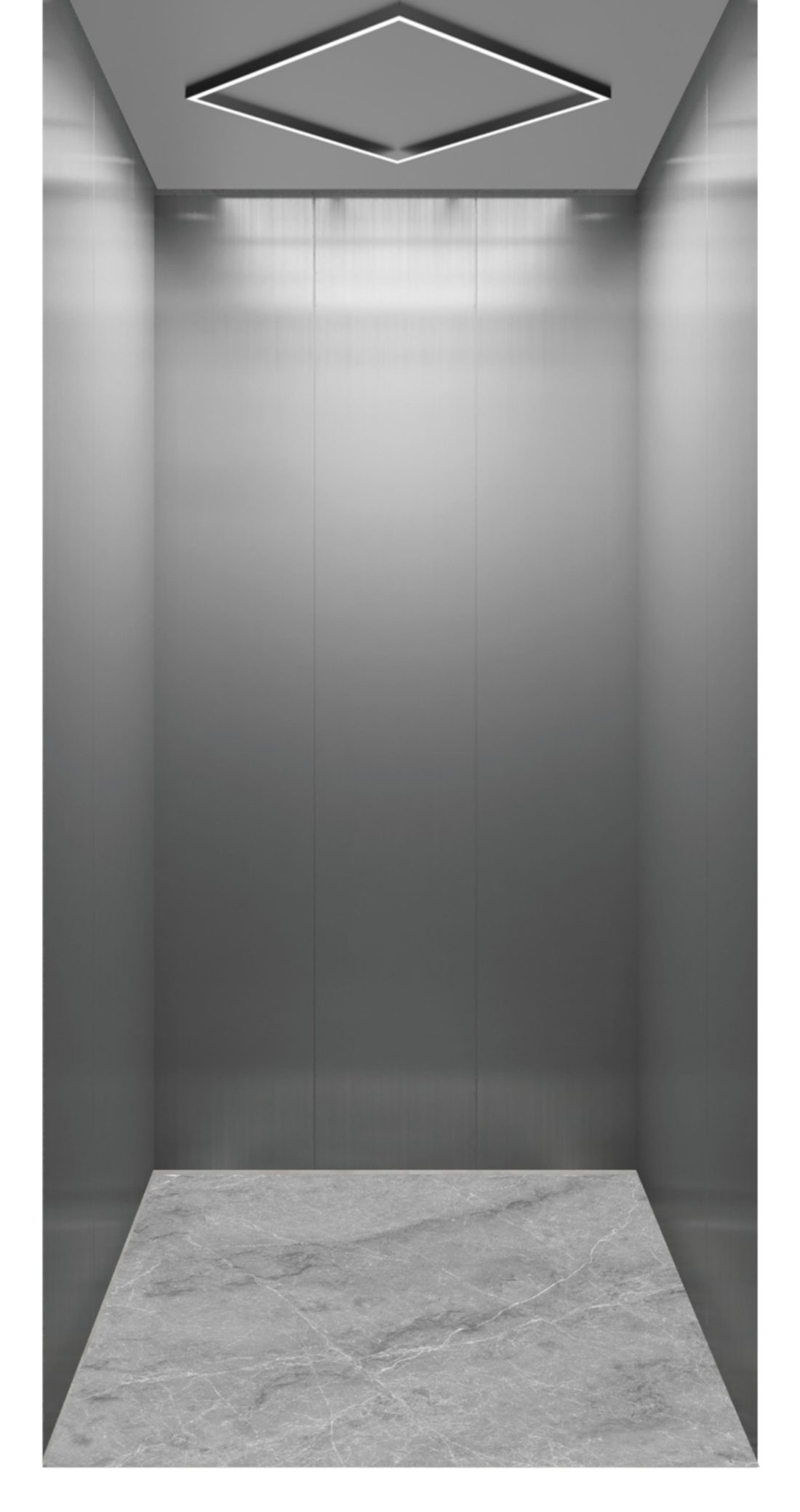
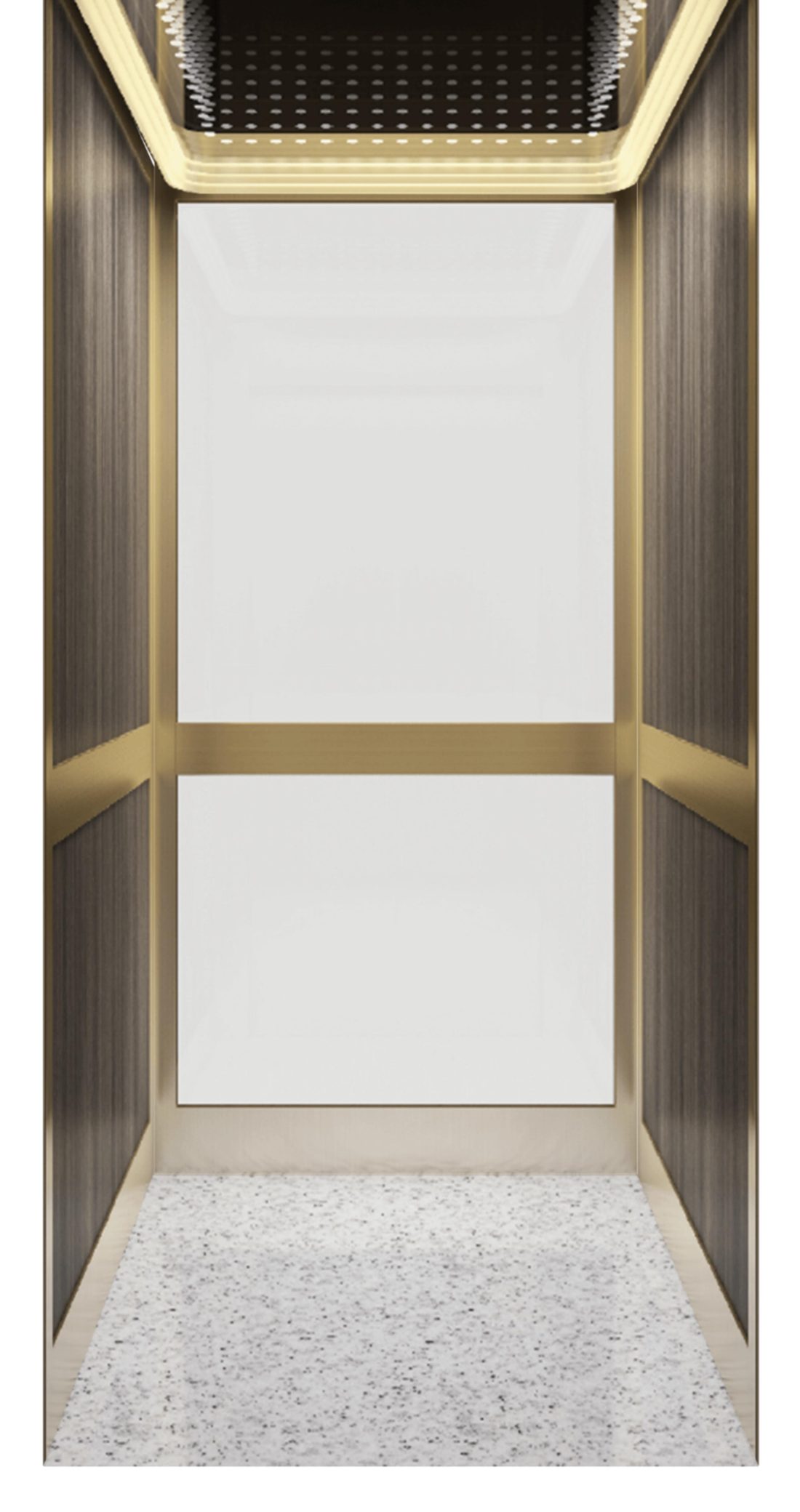
Stainless steel is by far the most common cabin material, and for good reason. It is durable, scratch-resistant, easy to clean, and handles heavy traffic without showing wear. It comes in three finishes: hairline (brushed, fingerprint-friendly), mirror (highly reflective, makes the cabin feel larger), and titanium-coated (black, champagne or bronze tones for a luxury look).
Hairline stainless is our recommendation for commercial buildings, offices and shopping malls where the lift is used hundreds of times a day. Mirror stainless works well in lobbies where the goal is a bright, spacious feel. Titanium-coated black or champagne is the go-to for upscale hotels and high-end residential projects.
2. Wood veneer — warmth for residential and hospitality
Real wood is rarely used in elevator cabins because of fire-code and moisture concerns. Instead we use fire-rated wood-grain veneer — a laminate that looks like walnut, oak or teak but meets building fire standards. It is the best choice when the interior designer wants a warm, residential or boutique-hotel feel.
The trade-off? Wood-grain panels show impact more easily than stainless, and they do not hold up as well in very high-traffic public buildings. We typically recommend them for mid-rise residential, boutique hotels and private villa lifts.
3. Glass and mirror — visual space and light luxury
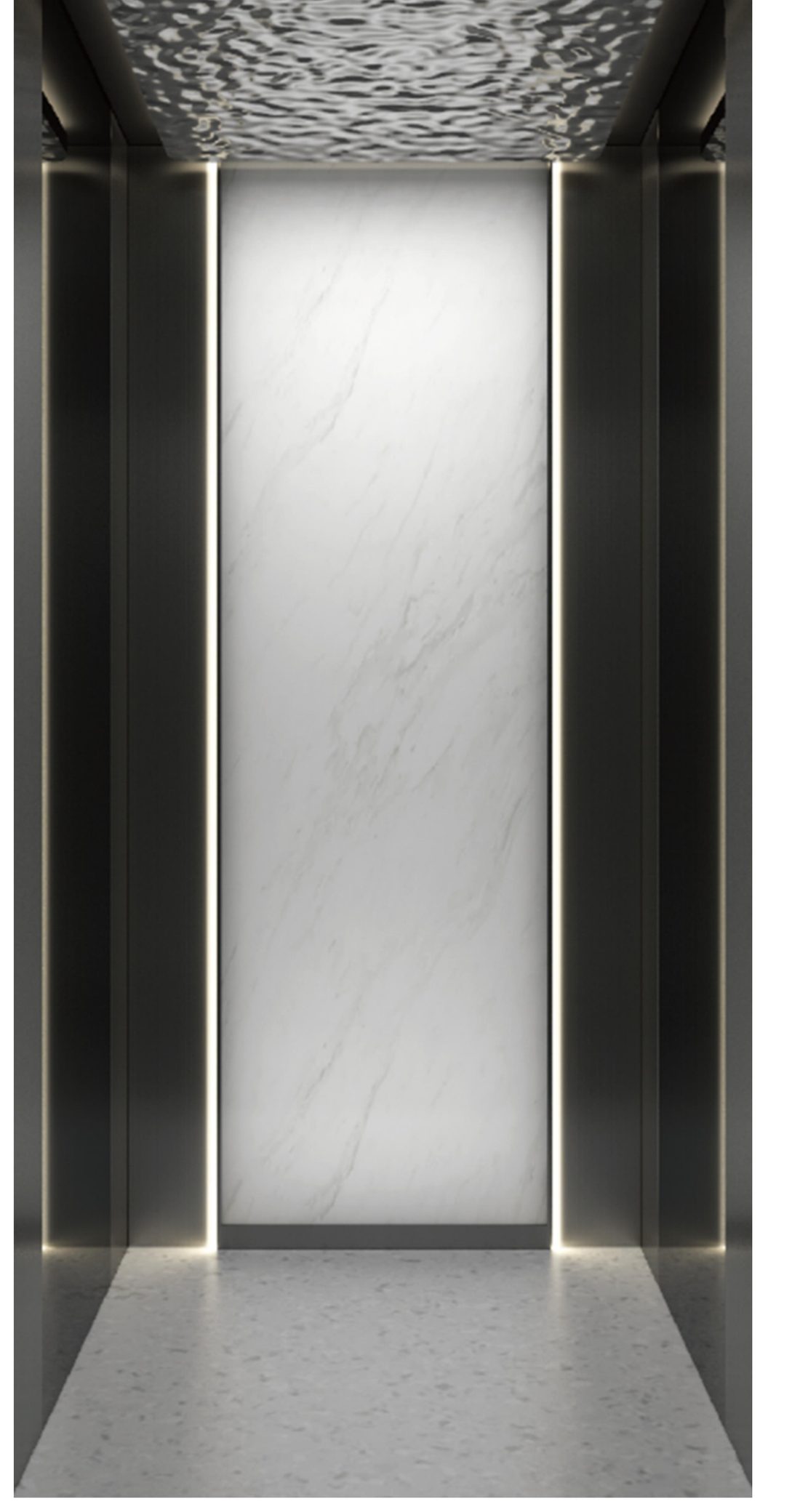
Glass walls, mirrored walls and marble-vein backlit panels are the fastest way to make a small cabin feel larger and more premium. Laminated safety glass on the walls, combined with LED light strips along the edges, creates a "light luxury" look that hotels and residential developers increasingly ask for.
The caveat is maintenance: glass and mirror show fingerprints and water marks, so they need more frequent cleaning. In a busy public lift, a full-glass cabin will look tired within months unless housekeeping is on top of it.
4. Leather and soft panels — for signature hotel projects
For five-star hotel lobbies and VIP lifts, we add padded leather or suede-style wall panels, often in cream or beige tones, paired with concealed LED strip lighting and a black-anodized handrail. This is a niche, premium finish — it looks exceptional, but it is also the most expensive and the most delicate, so it belongs in low-traffic, high-end environments.
How to decide by project type
If you are a contractor or developer trying to choose quickly, here is our default starting point:
High-traffic commercial / office / mall: hairline stainless throughout.
Upscale hotel: titanium-coated black or champagne + accent glass or marble panels.
Residential mid-rise: brushed stainless with optional wood-grain feature wall.
Private villa / home lift: wood-grain or leather, full customization welcome.
Need help choosing for your project? Send us your shaft dimensions, building type and a reference photo of the style you like. We will reply with a material recommendation and a rough lead time within 24 hours. Get a quote on WhatsApp →